




Cold Pressed Vs Pasteurized Juice: Key Differences
When it comes to juice, not all processing methods are equal. You might wonder if there's a real difference between cold pressed and pasteurized juice. Let's explore the nuances of each method and how they impact what you drink.
Understanding the juice processing methods
Cold pressing involves extracting juice from fruits and vegetables without heat. This method is known for preserving more of the original nutrients and flavors. Pasteurization, on the other hand, uses heat to kill bacteria and extend shelf life. While effective for safety, it can alter taste and reduce some nutrients.
Cold pressed juice is often associated with retaining more nutrients because it's not exposed to heat. Research suggests that heat can degrade certain vitamins, particularly vitamin C. In contrast, pasteurization can lead to nutrient loss, but it ensures the juice is free from harmful microorganisms.
Nutritional impact of each method
Cold pressed juice may support higher nutrient retention, which is why many prefer it for its potential health benefits. For example, studies show that cold pressing helps preserve antioxidants, which are crucial for reducing oxidative stress.
Pasteurized juice, while safe, often has a different nutritional profile. The heat involved can diminish heat-sensitive nutrients. However, it remains a convenient option for those prioritizing safety and longer shelf life.
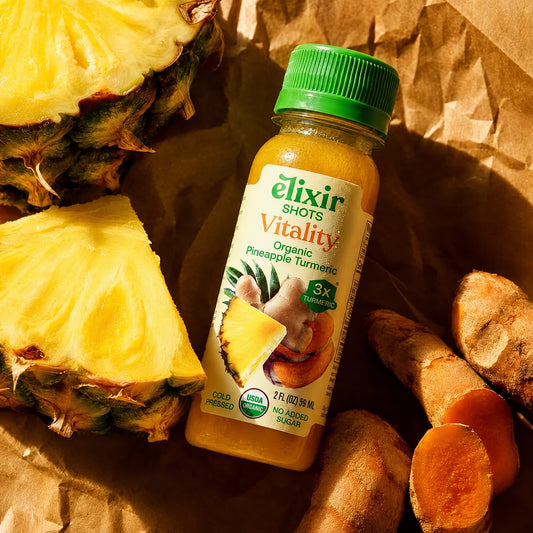
For those interested in the benefits of cold pressed juices, products like our Vitality shot offer a refreshing blend of turmeric and pineapple, cold-pressed for a naturally vibrant taste.

Taste and flavor differences
Cold pressed juices are known for their fresh, vibrant flavors. Because the process avoids heat, the natural taste of fruits and vegetables is more pronounced. Pasteurized juice, however, can taste slightly cooked due to the heating process. This difference in taste might not matter to everyone, but for some, the fresh taste of cold pressed juice is a significant draw.
When to choose which juice
Choosing between cold pressed and pasteurized juice depends on your priorities. If you're looking for the freshest taste and nutrient retention, cold pressed juice is the way to go. However, if you're concerned about shelf life and microbial safety, pasteurized juice offers peace of mind.
For those who prefer cold pressed options, understanding how cold pressed juice is made can provide insight into its benefits and why it's a popular choice.
Conclusion
In the debate between cold pressed and pasteurized juice, there isn't a one-size-fits-all answer. It comes down to personal preference and priorities. Whether you value nutrient density or safety, both methods have their place in a balanced diet.
Sources
- Impact of heat on vitamin C in foods. Journal of Food Science. 2014.
- Preservation of antioxidants in cold pressed juice. Journal of Nutritional Science. 2017.