




What You Need to Know About High Pressure Processing
High pressure processing (HPP) is a food preservation method that uses high pressure to inactivate harmful microorganisms while maintaining the quality and freshness of the product. This technique is commonly applied to juices, allowing for a longer shelf life without the need for preservatives.
What is high pressure processing?
High pressure processing involves subjecting food products to pressures of 300 to 600 MPa (megapascals). This process is typically applied to liquids, such as juices, which are placed in a chamber and subjected to intense pressure. The high pressure inactivates bacteria, yeasts, and molds, which can spoil food and beverages. Importantly, HPP preserves the taste, color, and nutritional value of the product, making it an appealing option for manufacturers and consumers alike.
How does high pressure processing work?
The process begins with the filling of the product into a specially designed container. Once sealed, the container is placed in a high pressure chamber. Water is then pumped into the chamber, creating a uniform pressure around the container. This pressure is maintained for a specific duration, allowing it to penetrate the product and inactivate microorganisms effectively. After the treatment, the pressure is released, and the product is ready for packaging and distribution.
Benefits of high pressure processing
High pressure processing offers several advantages:
- Enhanced shelf life: By inactivating spoilage organisms, HPP extends the shelf life of products without the need for chemical preservatives.
- Preservation of nutrients: Unlike traditional pasteurization methods, HPP helps retain vitamins, minerals, and other nutrients in the product.
- Improved flavor: The process maintains the fresh taste and color of the ingredients, resulting in a more flavorful product.
- Convenience: HPP allows for products to be stored longer, making it easier for consumers to enjoy fresh juices without frequent shopping trips.
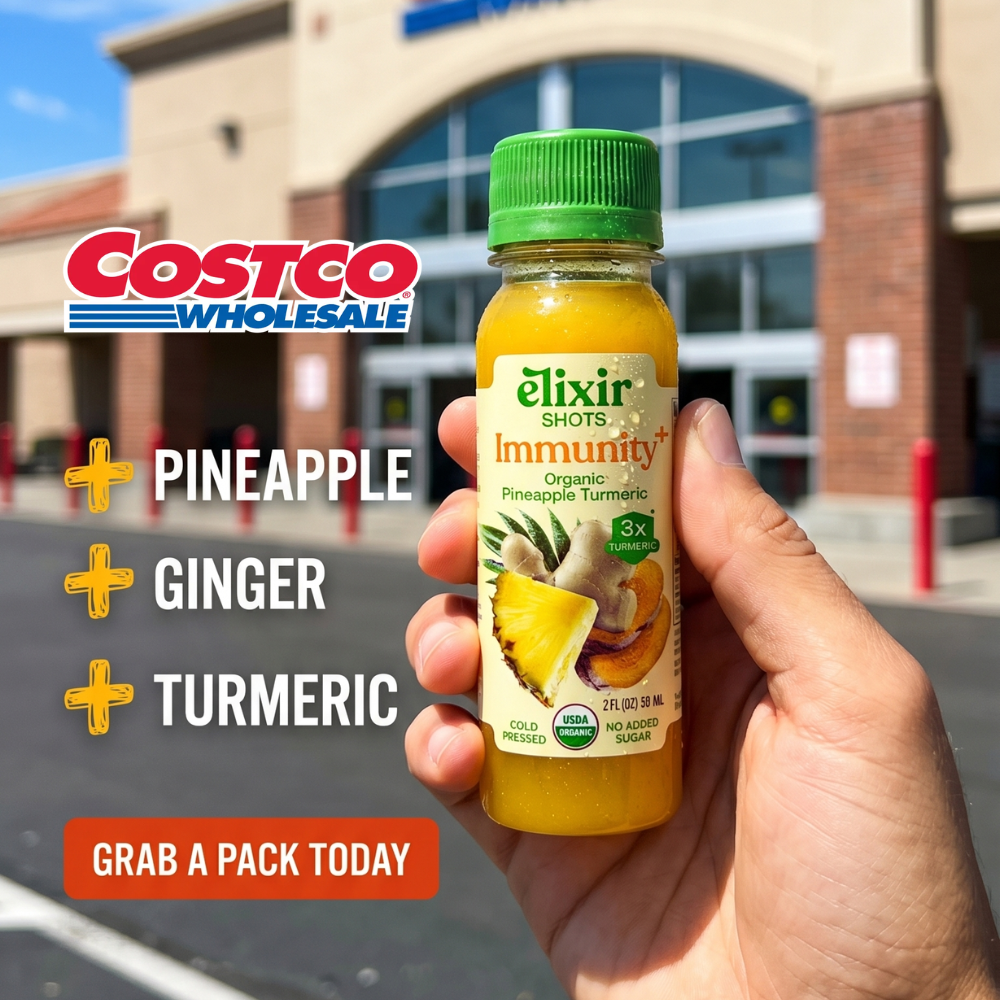
For example, cold-pressed juices that undergo high pressure processing can be enjoyed for longer periods while still delivering the vibrant flavors associated with fresh ingredients. To explore a delicious option, consider trying our Immunity shot, crafted from whole ingredients and cold-pressed for a refreshing experience.
Common misconceptions about high pressure processing
Despite its benefits, there are misconceptions surrounding high pressure processing:
- HPP is the same as pasteurization: While both methods aim to extend shelf life, HPP is a cold process that does not involve heat, thus preserving more of the product's natural qualities.
- HPP makes food unsafe: On the contrary, HPP is a safe method that has been approved by various food safety agencies worldwide.
- All HPP products are the same: The quality of HPP products can vary based on the ingredients used and the specific processing conditions applied.
How to incorporate HPP products into your routine
Incorporating high pressure processed products into daily routines is easy. Look for cold-pressed juices and wellness shots that utilize HPP for freshness and flavor. These products can be enjoyed as part of breakfast, a mid-day snack, or a post-workout refreshment. The convenience of HPP allows for quick and nutritious options without compromising taste.

Frequently asked questions about high pressure processing
Is high pressure processing safe?
Yes, high pressure processing is considered safe and is used worldwide in the food industry. It has been approved by food safety agencies, including the FDA.
Does HPP affect the taste of the product?
High pressure processing is designed to preserve the taste and quality of the product. Many consumers find that HPP products taste fresher compared to those treated with traditional methods.
Can I find HPP products in stores?
Yes, many grocery stores carry high pressure processed juices and wellness shots. Look for labels that indicate HPP to ensure you are choosing a product that has undergone this preservation method.