




How Ingredient Origin Affects Potency
The origin of ingredients plays a crucial role in their potency and overall effectiveness. This is particularly relevant in the context of cold-pressed wellness shots, where the quality of each ingredient can significantly impact health benefits. In this article, we’ll explore how sourcing practices, environmental factors, and processing methods affect ingredient potency.
Understanding ingredient sourcing
Ingredient sourcing involves selecting where and how raw materials are obtained. Factors such as soil quality, climate, and farming practices can influence the nutrient density of ingredients. For example, ingredients grown in nutrient-rich soil tend to have higher concentrations of vitamins and minerals. Research suggests that soil health directly impacts the nutritional quality of crops.
When considering wellness shots, the origin of ingredients can define their effectiveness. For instance, turmeric sourced from regions known for their high curcumin content, such as India, may offer more potent health benefits than turmeric from less optimal regions.
Environmental factors and their impact
Environmental conditions, including climate and altitude, also affect ingredient potency. Plants grown in their native climate often exhibit better growth and nutrient absorption. For example, beets cultivated in cooler climates may produce higher levels of dietary nitrates, which are beneficial for cardiovascular health. A study found that dietary nitrates can enhance exercise performance and recovery.
Additionally, the timing of harvest plays a significant role. Ingredients harvested at peak ripeness typically contain more nutrients. For instance, cold-pressed juices made from fresh, in-season fruits and vegetables often have a more vibrant flavor and higher nutrient content than those made from out-of-season produce.
The role of processing methods
Processing methods can also affect the potency of ingredients. Cold-pressing, for instance, preserves more vitamins and phytonutrients compared to traditional juicing methods that involve heat. Heat can degrade sensitive compounds, leading to a loss of potential health benefits. This is why cold-pressed juices are often preferred for their higher nutrient retention.
Furthermore, high-pressure processing (HPP) is another method that can enhance ingredient integrity without the detrimental effects of heat. HPP helps maintain the freshness and potency of ingredients while extending shelf life.
Real-world examples of potency differences
To illustrate the impact of ingredient origin and processing, consider the difference between two wellness shots made with turmeric. One shot uses turmeric sourced from a well-regarded region known for its high curcumin levels, while the other uses turmeric from a less reputable source. The former may provide more significant anti-inflammatory benefits due to its higher curcumin concentration. Research indicates that curcumin may have anti-inflammatory properties that are more pronounced in higher-quality sources.
Another example can be seen in cold-pressed juices made from apples. Those made from organic apples grown in nutrient-dense soil may provide more antioxidants compared to those made from conventionally grown apples. Antioxidants play a role in reducing oxidative stress, which is linked to various health issues.
Conclusion
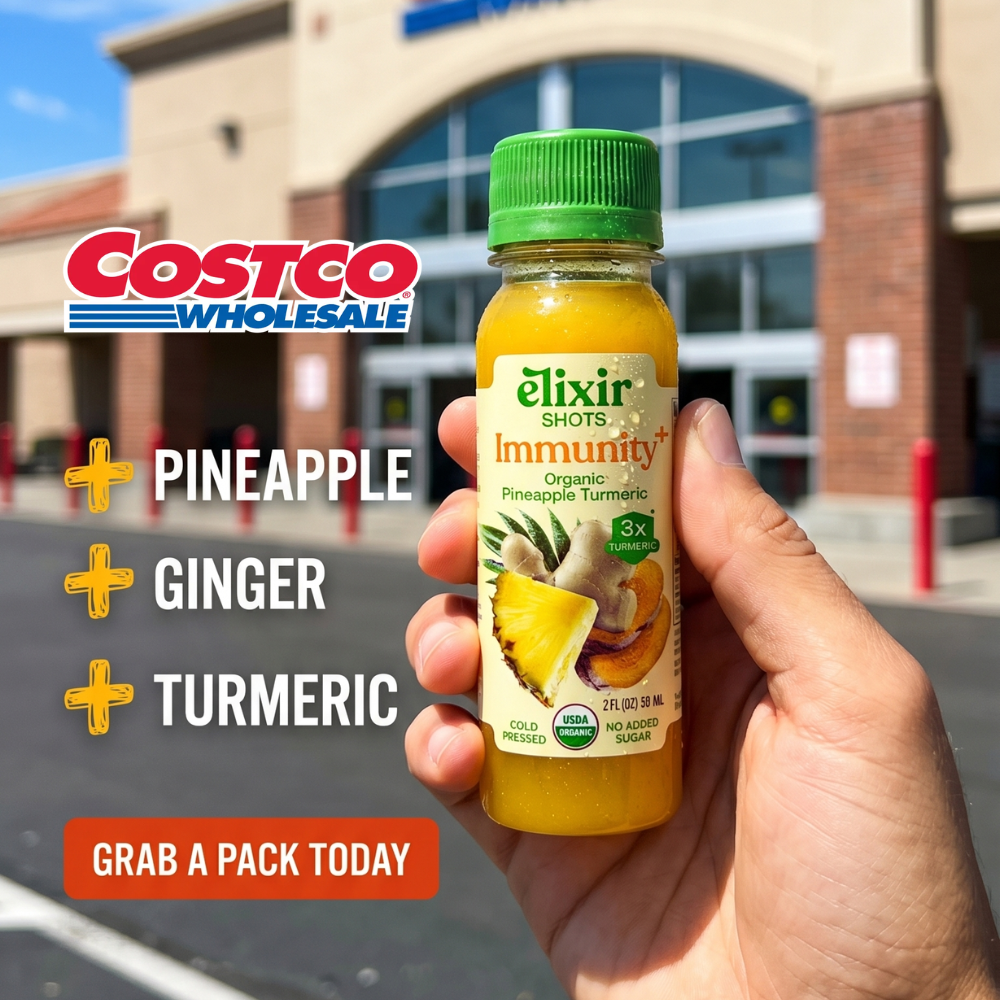
Understanding how ingredient origin affects potency can help consumers make more informed choices about their wellness shots. Sourcing practices, environmental factors, and processing methods are all critical components that contribute to the effectiveness of these products. By prioritizing high-quality, responsibly sourced ingredients, you can better ensure that the wellness shots you consume provide the intended health benefits. For example, our Immunity shot features turmeric and ginger sourced for their quality, designed to help support your health.