




What Makes Juice Shots Strong: the Science Behind Ingredients
Juice shots gain their strength from a combination of concentrated ingredients, fresh preparation, and the unique chemistry of each component. Ingredients like ginger and turmeric, known for their vibrant flavors, play crucial roles in creating powerful juice shots that are both enjoyable and intriguing.
What makes juice shots strong?
At first glance, the strength of juice shots may seem like a matter of flavor alone. However, what truly defines their potency is the quality and concentration of their ingredients. Juice shots are crafted from whole foods, often featuring roots, fruits, and vegetables that carry a spectrum of compounds.
For instance, ginger is not just a single flavor; it comprises various bioactive compounds, such as gingerols and shogaols, each contributing to its unique taste and aromatic profile. This complexity is what elevates juice shots beyond mere refreshment.
The chemistry of juice shot ingredients
Consider ginger again. Its characteristic heat and warmth are the result of gingerols, which can vary significantly depending on the growing conditions and processing methods. Research shows that the concentration of these compounds can differ by as much as 18-fold based on factors like soil quality and climate conditions (Palatty PL et al.). This means that a ginger shot made from high-quality roots can deliver a more intense flavor and experience.
Similarly, turmeric, often celebrated for its bright color and earthy notes, is rich in curcumin, a compound associated with a range of culinary and sensory qualities. The spectrum of curcumin's flavor can be influenced by how the turmeric is cultivated and harvested. This variability in ingredient quality is what makes juice shots strong and distinct.
Fresh preparation matters
The freshness of the ingredients plays an equally important role in the strength of juice shots. Cold-pressing techniques preserve the natural flavors and nutrients found in fruits and vegetables, allowing for a more vibrant and lively juice.
Unlike traditional juicing methods that may introduce heat, cold-pressing minimizes oxidation and degradation, ensuring that the juice maintains its integrity. This method captures the essence of the ingredients, resulting in a shot that is not only flavorful but also rich in the compounds that contribute to its strength.
Routine and convenience
Incorporating juice shots into a daily routine can be both convenient and enjoyable. These small, concentrated servings of juice provide an easy way to experience the flavors of fresh ingredients without the need for extensive preparation.
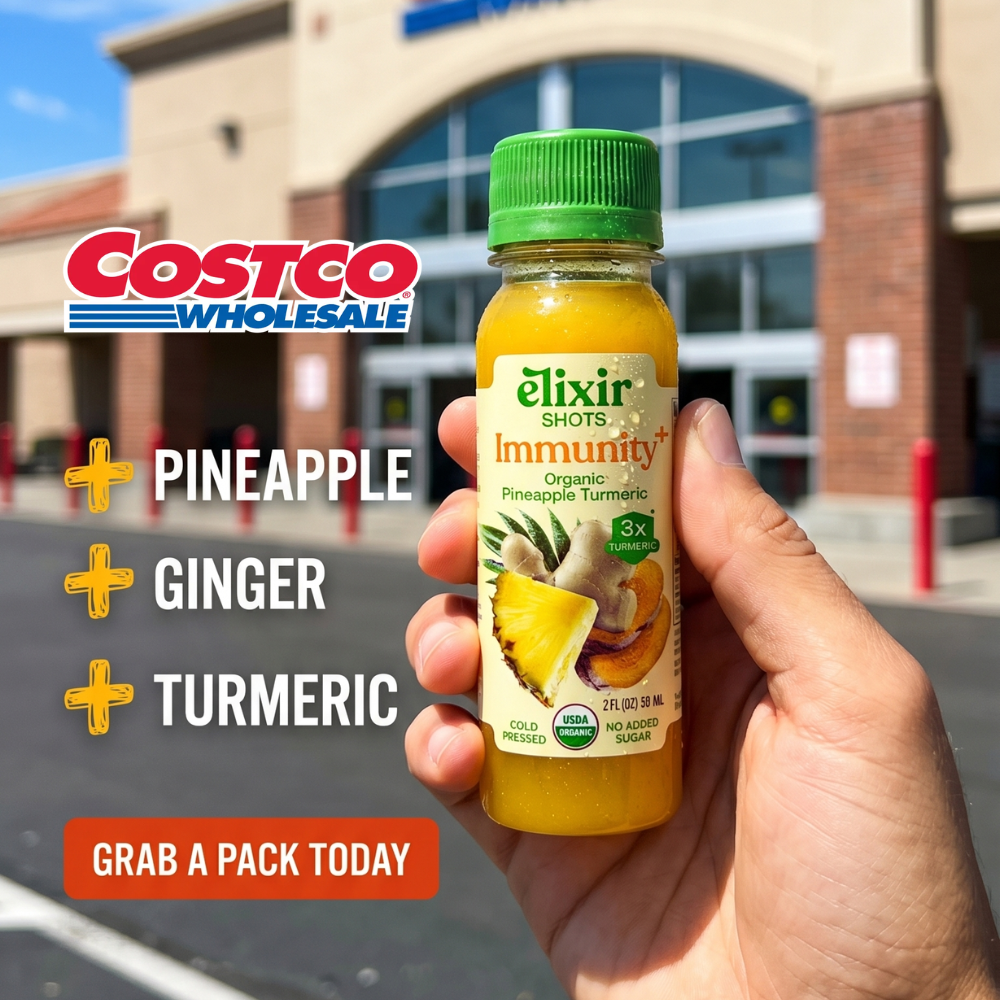
For example, a turmeric ginger juice shot combines the boldness of red Hawaiian turmeric with the sharpness of fresh ginger, creating a delightful flavor that can easily fit into any lifestyle.

Common misconceptions
One common misconception about juice shots is that they are simply a trend or a fad. In reality, the science behind their formulation reflects a deep understanding of how various ingredients interact.
The blend of flavors, aromas, and compounds is meticulously crafted to create a balanced and enjoyable experience. Understanding this complexity can enhance appreciation for the artistry involved in juice shot production.
FAQs
What types of ingredients are typically found in juice shots?
Juice shots often include a variety of fruits, vegetables, and herbs. Common ingredients are ginger, turmeric, lemon, and various berries, each contributing their unique flavors and properties.
Are juice shots suitable for everyone?
While juice shots can be a great addition to most diets, individuals with specific dietary restrictions or health conditions should consult with a nutritionist or healthcare provider to ensure they align with their needs.
How should juice shots be stored?
To maintain their freshness and potency, juice shots should be stored in a cool environment, ideally refrigerated, and consumed within a few days of opening.
Sources
Palatty PL, Haniadka R, Valder B, Arora R, Baliga MS. Ginger in the prevention of nausea and vomiting: a review. Crit Rev Food Sci Nutr. 2013. PMID: 23638927.
Bode AM, Dong Z. The Amazing and Mighty Ginger. Herbal Medicine: Biomolecular and Clinical Aspects. 2nd edition. 2011. NCBI Bookshelf: NBK92775.
Mashhadi NS, Ghiasvand R, Askari G, et al. Anti-oxidative and anti-inflammatory effects of ginger in health and physical activity: review of current evidence. Int J Prev Med. 2013. PMC3665023.